Garden Display Plant Guide
Botanical Name
Agave Attenuate
Common Name
Foxtail Agave
Foxtail Agave
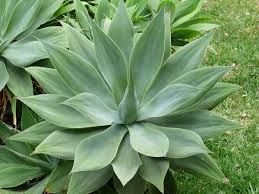
Agave attenuata, commonly called century plant, is a rosette forming perennial succulent that is native to the plateaus/mountains of central Mexico. It is perhaps most noted for its attractive leaves and its huge drooping flower stems. Spineless, fleshy, ovate, light gray to pale yellowish-green evergreen leaves (to 28” long) form a large symmetrical rosette. Suckers/offsets root at the base of the rosette forming over time a colony of rosettes.
With age, a stem/trunk to 3’ long may develop, with the trunk becoming visible as the older leaves of the rosette fall off. Each rosette will flower only once, usually when the plant reaches about 10 years old. The “flower” is a huge recurving raceme to 5-10’ tall with small, drooping, densely-packed, yellow-green to white flowers. Flowers are followed by seed pods. The rosette dies after flowering, but suckers/offsets at the base remain as new plants.
Additional common names for this plant include lion’s tail, swan’s neck and foxtail. Plants may be grown outdoors in parts of California, southern Texas and southern Florida.
- USDA Zone: Zones 9b – 11
- Sunset Zone: Zones 13, 20-24, H1, and H2
- Mature Height: 2 – 3 feet
- Mature Width: 2 – 4 feet
- Light Needs: Full Sun
- Water Needs: Low